解决方案
 更新时间:2026-11-16
 点击次数:
氧气容器及连接管道内即便只有极微量碳氢污染物(油或油脂),也可能引发爆炸。文章说明这类残留为何在常规检查下难以发现、紫外荧光如何在 365nm 下让油膜显现,以及检测时的照射角度、暗场条件与判读要点,并给出氧洁净作业中把紫外检查纳入清洗后确认环节的做法。
氧气容器及其连接管道内,即便只有极微量碳氢污染物(油或油脂),也可能引发爆炸,造成灾难性后果。
绝大多数碳氢化合物在紫外黑光照射下会产生天然荧光,因此该项检测对于所有氧气容器及成套设备生产厂商而言必不可少。
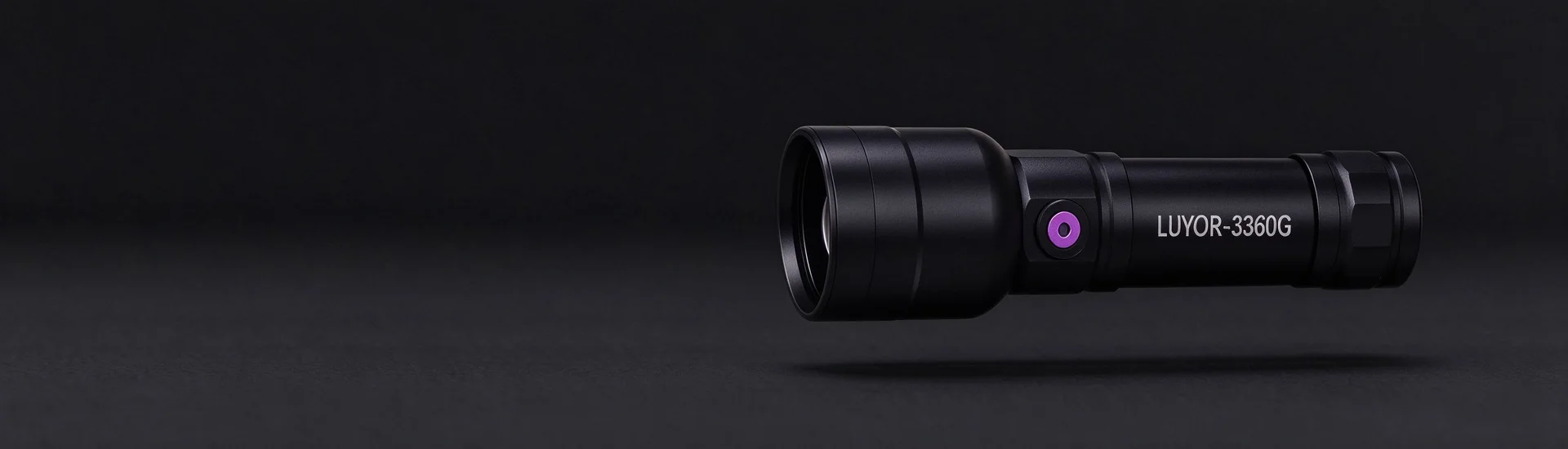
LUYOR 提供多款适用于荧光检测的紫外线检查灯。设备选型需依据您具体的工艺要求确定,选型参考要素:
紫外波长(荧光检测常用 365nm)
紫外下限辐照度(依据作业标准或环境光照强度确定)
检测区域(紫外曝光范围需限定在作业区域内)
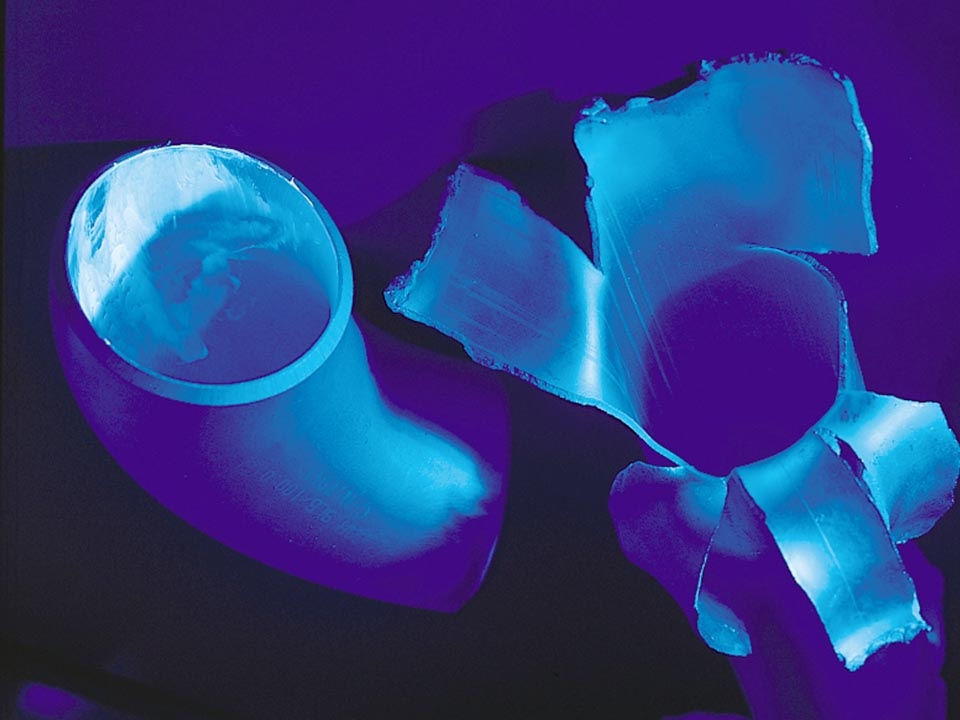
Even trace amounts of hydrocarbon contamination (oil or grease) inside an oxygen vessel or connecting pipework may trigger an explosion with catastrophic consequences.
Most hydrocarbons naturally fluoresce under UV blacklight illumination. Hence, this inspection process is indispensable for all manufacturers of oxygen vessels and process plants.
LUYOR supplies a comprehensive range of UV blacklights for fluorescent inspection. Your equipment selection criteria shall be defined in accordance with your specific process requirements:
UV wavelength (365 nm is commonly used for fluorescent inspection)
Minimum UV irradiance levels (specified by work standards or ambient light intensity)
Inspection area (UV exposure shall be confined to the working zone)

邮箱: info@xinysun.com

电话: 131-2093-6518

地址: 上海市松江区民强路1525号26幢3层325室


 当前位置:

 工业测试仪器


